A Look Into Herbalism, Training, and Finding the Right Herbalist for You
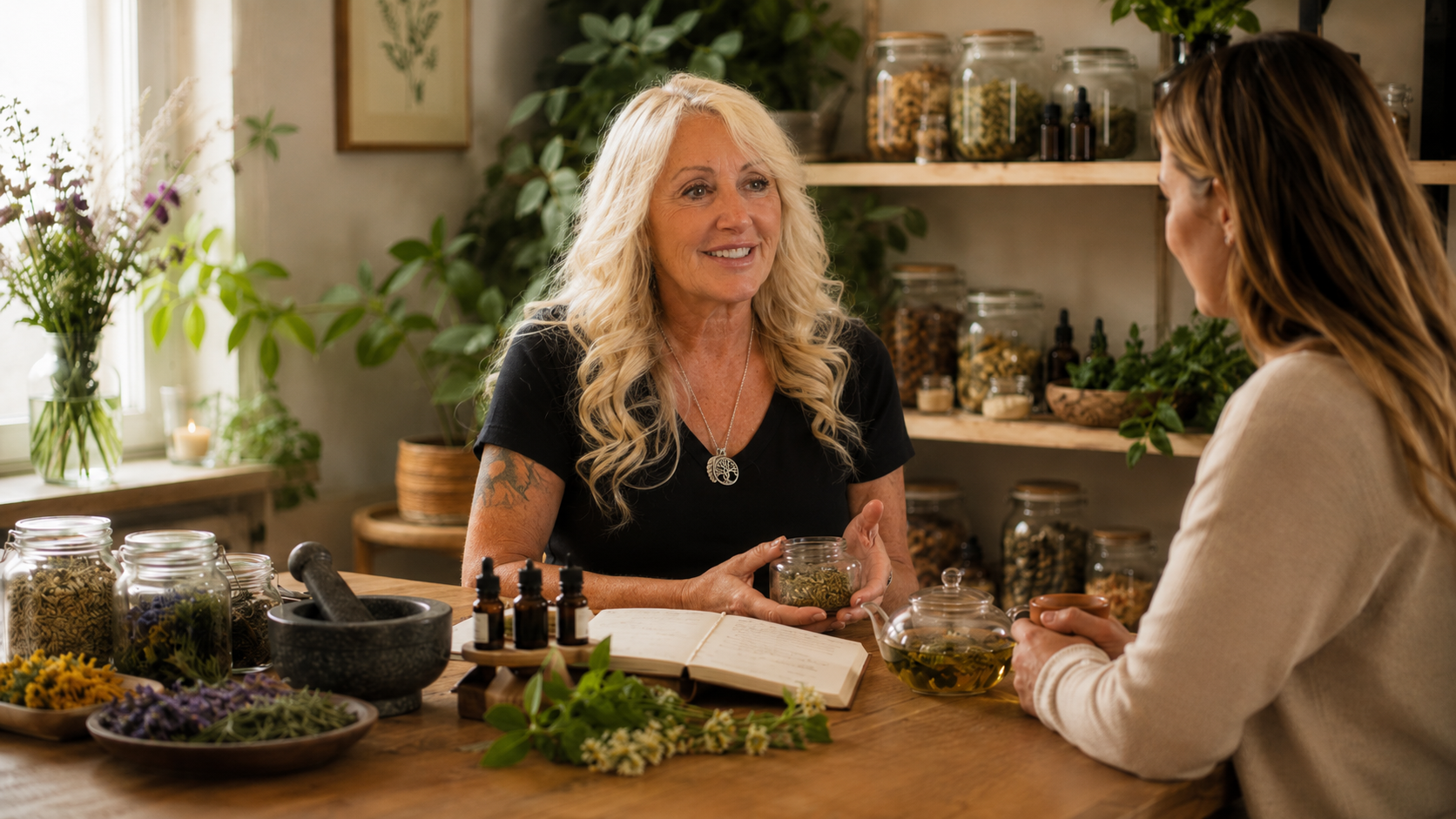
When people hear the word herbalist, they often picture jars of dried herbs, old books, or someone walking through the woods gathering plants. While herbs are certainly part of the story, herbalism is really about people.
At NW Apothecary, herbalism is rooted in connection, education, and supporting the whole person, not just symptoms.
An herbalist takes the time to understand where you are in life right now. Your stress. Your sleep. Your diet. Your routines. Your goals. Your challenges.
Herbalism is not one-size-fits-all.
So, What Is an Herbalist?
An herbalist is someone who studies how plants support the body and overall wellness. Herbalists use herbs in many forms, including:
- Teas
- Tinctures
- Oils
- Salves
- Syrups
- Capsules
- Powders
Many herbalists focus on traditional herbal systems while also studying modern research and plant chemistry.
Herbalists do not diagnose or treat disease like medical doctors. Instead, many focus on supporting balance, nourishment, lifestyle habits, and overall wellness through herbs and education.
A good herbalist looks at the bigger picture.
That often includes:
- Sleep quality
- Stress levels
- Digestion
- Energy
- Nutrition
- Lifestyle
- Environmental factors
- Emotional well-being
- Current medications and supplements
Sometimes the biggest support a person needs is simply being heard and understood.
How Does Someone Become an Herbalist?
There is no single path.
Some herbalists learn through:
- Formal herbal schools
- Apprenticeships
- Clinical programs
- Traditional family practices
- Self-study and continuing education
- Hands-on experience working with clients
Herbalism is a field that requires ongoing learning. Plants are complex. People are complex.
Julie Nelson of NW Apothecary completed certification programs through The Herbal Academy, including:
- Introductory Herbalism
- Intermediate Herbalism
- Advanced Herbalism
- Clinical Herbalism
But education never really stops.
Ongoing training through additional schools, associations, research, and hands-on client experience continues to shape and deepen the work. Herbalism is a lifelong practice of learning, listening, and refining.
What Should You Look For in an Herbalist?
Not all herbalists work the same way.
When considering an herbalist, look for someone who:
- Takes time to listen
- Asks thoughtful questions
- Encourages realistic lifestyle support
- Understands herb and medication interactions
- Continues their education
- Stays within ethical boundaries
- Makes you feel comfortable and respected
- Sees you as a whole person, not a checklist
Be cautious of anyone promising miracle cures or claiming herbs can “fix everything.”
A thoughtful herbalist understands that wellness is layered. Herbs are tools, powerful ones, but they work best alongside nutrition, rest, stress support, movement, and appropriate medical care when needed.
Why We Love This Work
One of the best parts of herbalism is getting to know people on a deeper level.
Every person has a story.
Some people are exhausted and burned out. Some are overwhelmed by stress. Some are simply looking for natural ways to support their health and feel more connected to their bodies again.
At NW Apothecary, we love taking the time to truly listen and help support people where they are right now, not where they “should” be.
That support may include:
- Herbal recommendations
- Lifestyle suggestions
- Sleep support
- Stress management ideas
- Nutritional guidance
- Nervous system support
- Simple daily habits that create long-term change
Herbalism is not about perfection.
It is about partnership, education, and helping people feel supported through each season of life.
Final Thoughts
Herbalism is both ancient and deeply personal.
It combines traditional plant wisdom, modern education, and human connection. A good herbalist understands that healing and wellness are rarely linear, and that sometimes small, steady changes matter most.
If you are exploring herbal support, take your time finding someone who aligns with your values and makes you feel heard.
That relationship matters.
Disclaimer: I am a herbalist, not a licensed medical professional. The information shared on this blog is for educational purposes only and is not intended to diagnose, treat, or replace professional medical advice. If you are experiencing a medical emergency, please call 911 or contact your healthcare provider immediately. Always speak with your physician or qualified healthcare professional before starting any herbal protocol—especially if you’re pregnant, nursing, have a medical condition, or take prescription medications. Every individual responds differently to herbs, and they may interact with medications or existing conditions. No client–practitioner relationship is established by reading this content. Use of the information provided here is at your own discretion and risk.