Evidence now suggests food quality matters more than macronutrient ratios.
For decades, nutrition debates have centered on whether low-carbohydrate or low-fat diets are best for health. But emerging research is shifting the focus: instead of fixating on carbs vs fats, what may matter most for cardiovascular health is the quality of the foods we eat — not just the macronutrient ratios.
🧠 Bottom Line from the Study
According to a Medical News summary published by JAMA, the study highlights that:
- Consistency over restriction: Low-carbohydrate and low-fat diets may lead to similar health outcomes if both emphasize whole, nutrient-rich foods.
- Composition is key: The makeup of a diet — especially processed vs. whole foods — appears more important than just counting carbs or fats.
- Quality outweighs percentages: In terms of heart disease risk, quality (e.g., vegetables, legumes, whole grains, healthy fats) outweighs strictly defined macronutrient percentages.
This insight is part of a growing consensus in nutrition research: diets rich in whole plants, balanced fats, and minimal refined ingredients tend to support better metabolic and cardiovascular outcomes compared with diets heavy in ultra-processed foods — regardless of whether they are “low-carb” or “low-fat.”
What This Means for NWA Readers
At Northwest Apothecary, we’re always committed to supporting whole-self health through grounded, evidence-informed perspectives. Here are the practical takeaways:
🥦 Focus on Food Quality First
Rather than obsessing over carb or fat percentages, prioritize:
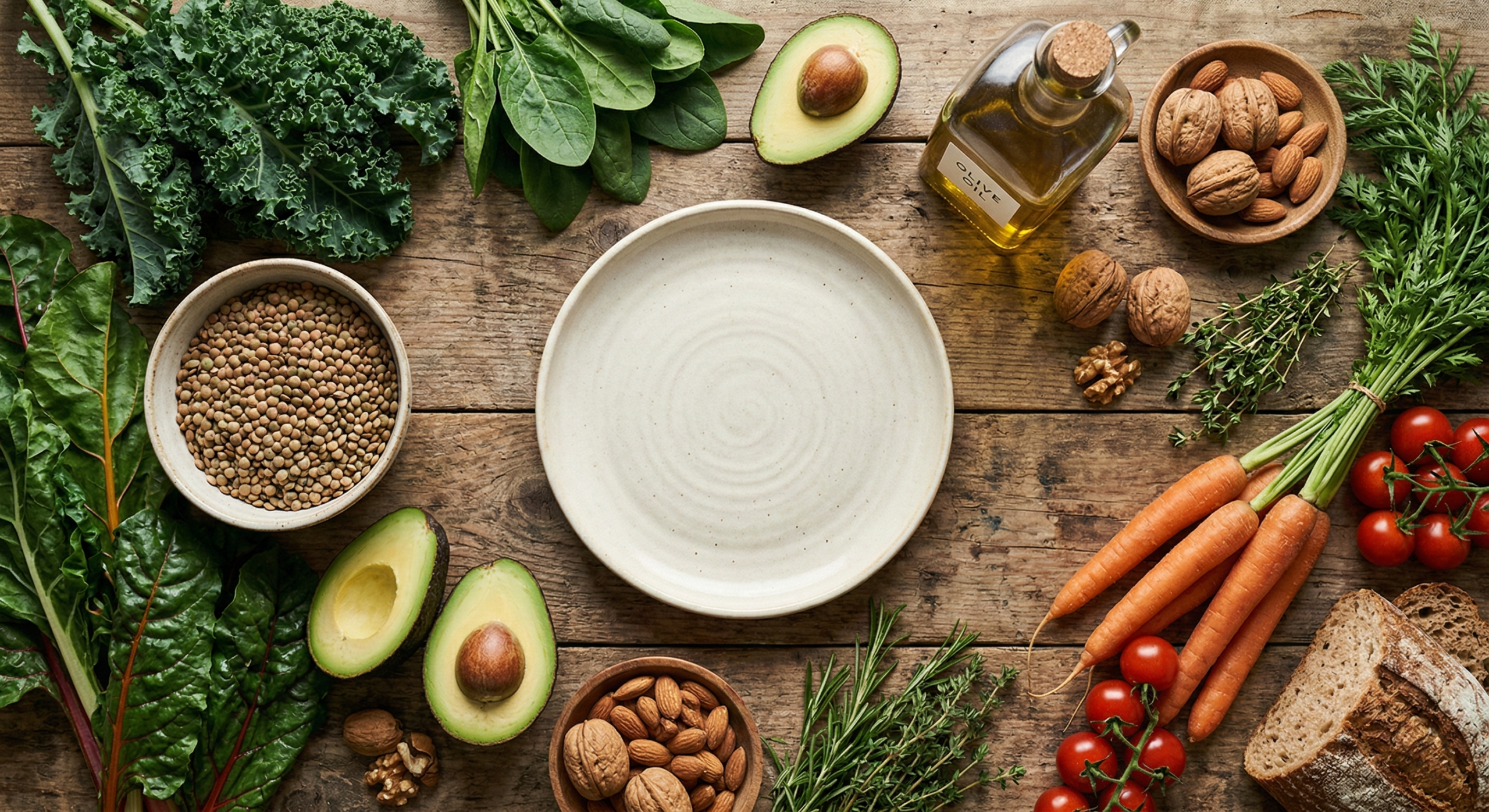
- Whole vegetables and leafy greens
- Beans, legumes, and whole grains
- Healthy fats (e.g., nuts, seeds, olive oil)
- Minimally processed proteins
These foods provide fiber, phytonutrients, and stable energy — all key for long-term metabolic balance and heart health.
🧘♂️ Make Sustainable Choices
Diets that are overly restrictive — whether cutting out all carbs or all fats — can be hard to maintain. A focus on quality and balance supports both physical health and overall wellbeing.
🌿 Connect with Herbal Support
We know nutrition and herbal medicine often go hand-in-hand. Supporting digestion, inflammation balance, and metabolic regulation can complement a high-quality food approach.
Final Thought
Instead of asking “Is low-carb or low-fat better?” it may be more useful to ask: “Am I choosing foods that nourish my body and support long-term health?”
That’s a question rooted in quality, sustainability, and real wellbeing — and one we can all benefit from asking.
Disclaimer: I am a herbalist, not a licensed medical professional. The information shared on this blog is for educational purposes only and is not intended to diagnose, treat, or replace professional medical advice. If you are experiencing a medical emergency, please call 911 or contact your healthcare provider immediately. Always speak with your physician or qualified healthcare professional before starting any herbal protocol—especially if you’re pregnant, nursing, have a medical condition, or take prescription medications. Every individual responds differently to herbs, and they may interact with medications or existing conditions. No client–practitioner relationship is established by reading this content. Use of the information provided here is at your own discretion and risk.